Physiology
you can see.
A virtual laboratory for medical students: theory, clinical reasoning and a visual experiment — sharpen your clinical thinking and walk into the exam sure of yourself.
An experiment worth repeating
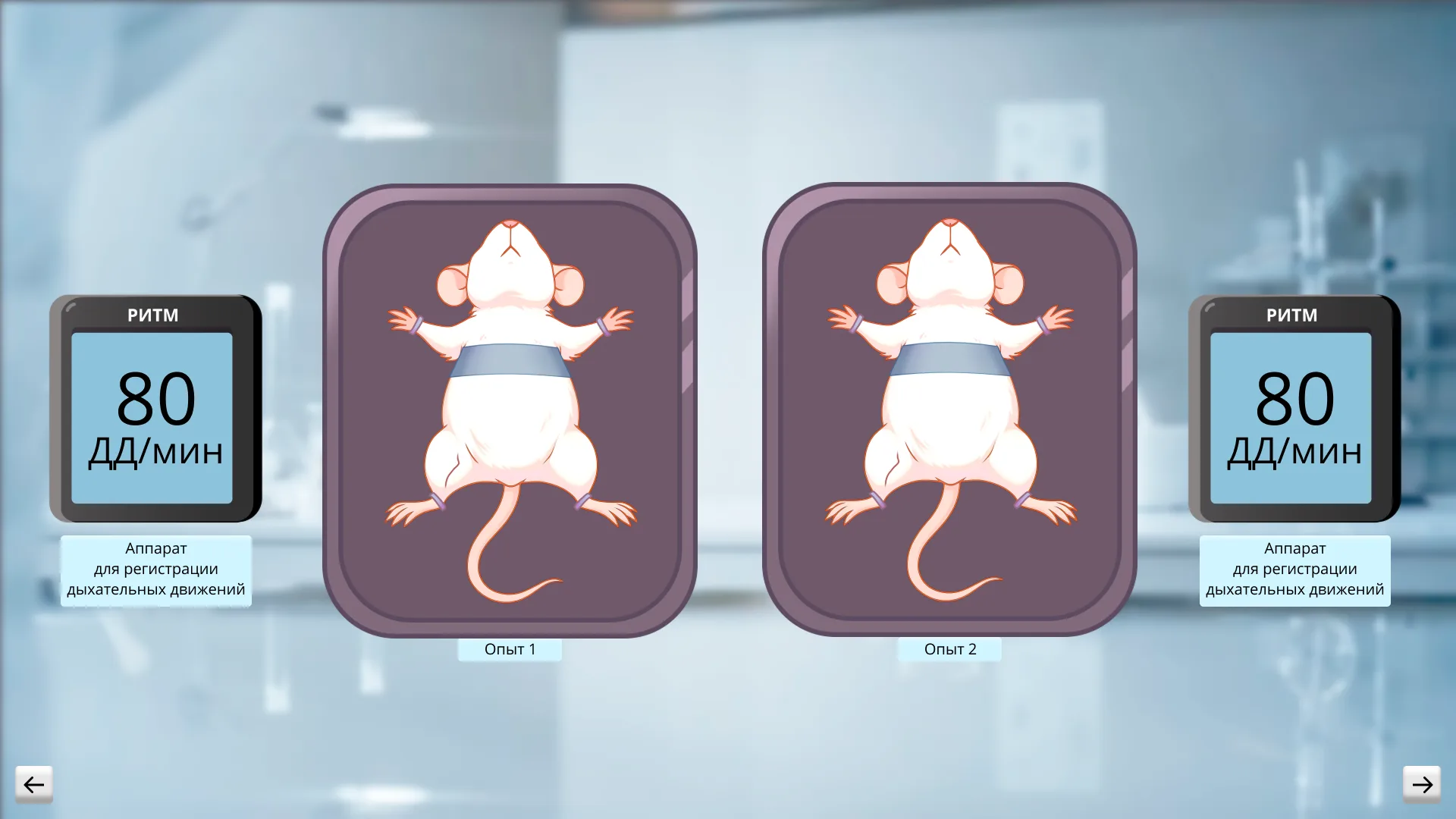
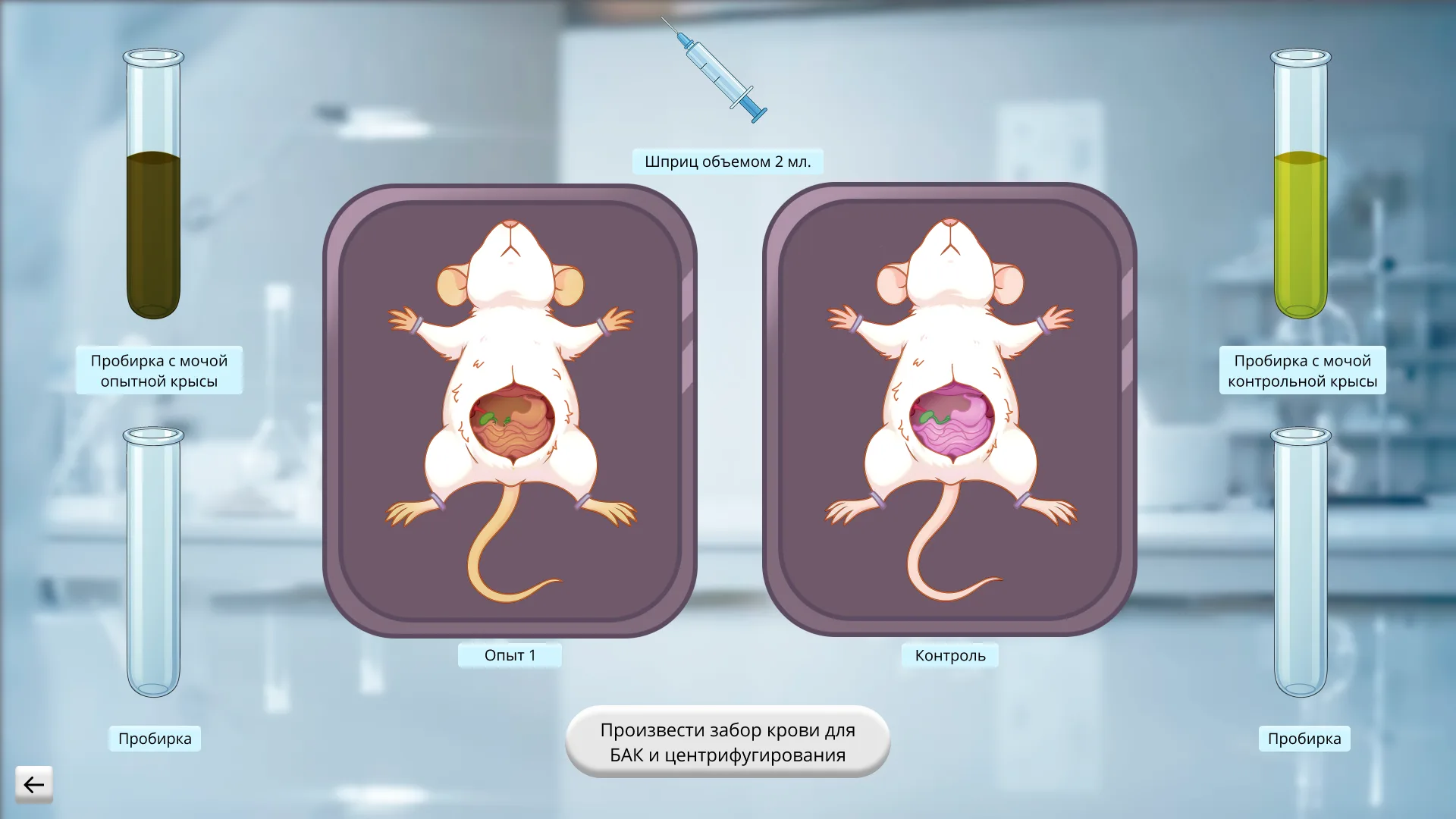
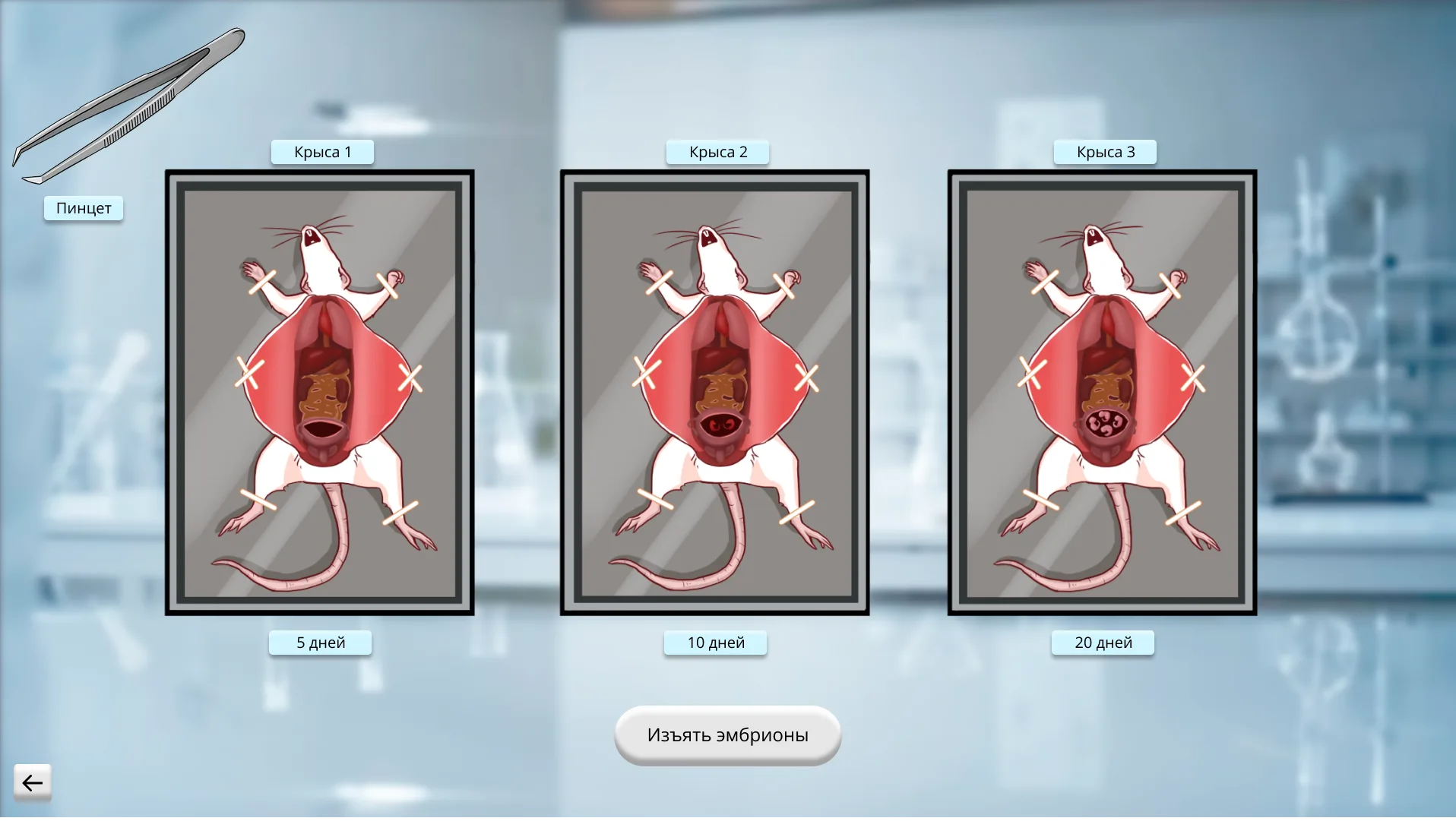
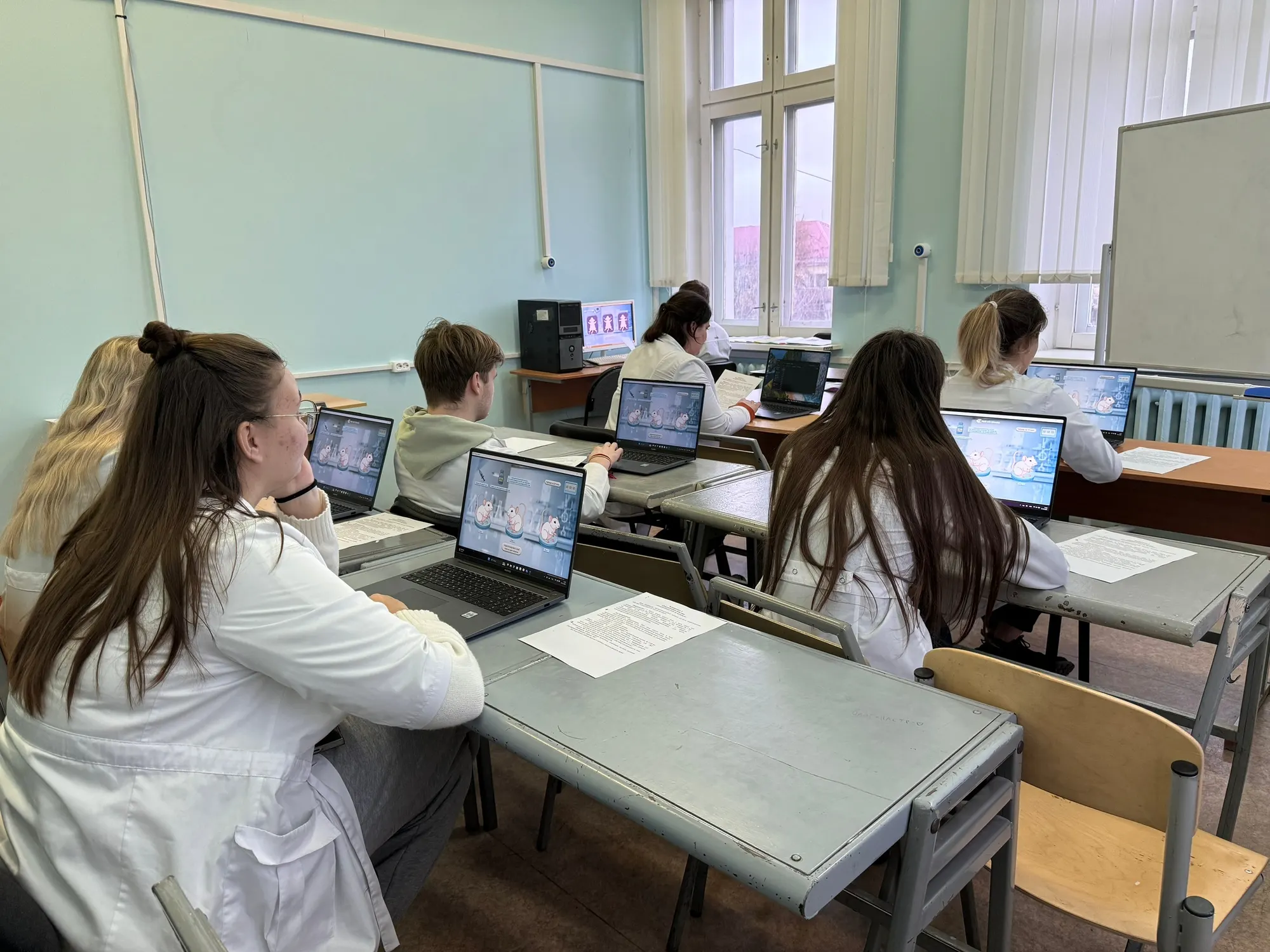
The laboratory work opens inside the module window next to the guidance notes. You can repeat it as often as you like — no consumables, no animals, and a mistake costs one click.
26
Modules
Two semesters of physiology, open for study
25 min
Per topic
One module end to end — from the lecture to launching the simulation
2–3
Year
For those ready to move from memorising to practice
Three steps from a textbook page to a pathogenesis that works
Theory and test
The theory for the session with illustrations, followed by control questions. Answers are marked immediately, so gaps in understanding show up before you get to the department.
Clinical case
Working through a clinical case: assess the patient, explain the mechanism of the disorder and fill in the observation protocol — in the same format as in the practical session.
Simulation
A virtual experiment: you set the conditions and watch the pathological process unfold. The experiment can be repeated as many times as understanding requires.
Course modules
The first semester covers the foundations of pathological physiology: how cells are injured, and why inflammation, hypoxia, allergy, tumour growth and other typical pathological processes arise. This is what explains where diseases begin and how the body tries to cope with the damage.
5 of 13 open. The department publishes the rest as the semester goes on.
Partners
 Presidential Grants Foundation
 National Research Ogarev Mordovia State University
 Pathophysiology Student Research Society
Frequent questions
How do I get access?
Your teacher creates the account — there is no self-registration. The login and password are issued at the department together with the module schedule.
Is my progress saved?
Yes. Completed steps and assignment results are kept with your account — you can close a module and come back to the same place.
Does this replace the classes at the department?
No, it prepares you for them and lets you practise. A module gives you as many attempts as you need, so the class itself is for discussion, not for meeting the material for the first time.
Pick up where you left off
Sign in with the account issued by your teacher.